
Estonian Developers Lead Minimalist Web Design Revolution
A quiet revolution is taking place in the digital landscape of Northern Europe. Estonian and neighboring developers are pioneering a significant shift toward cleaner, less cluttered website interfaces, reflecting evolving user preferences for streamlined online content consumption and more efficient digital experiences.
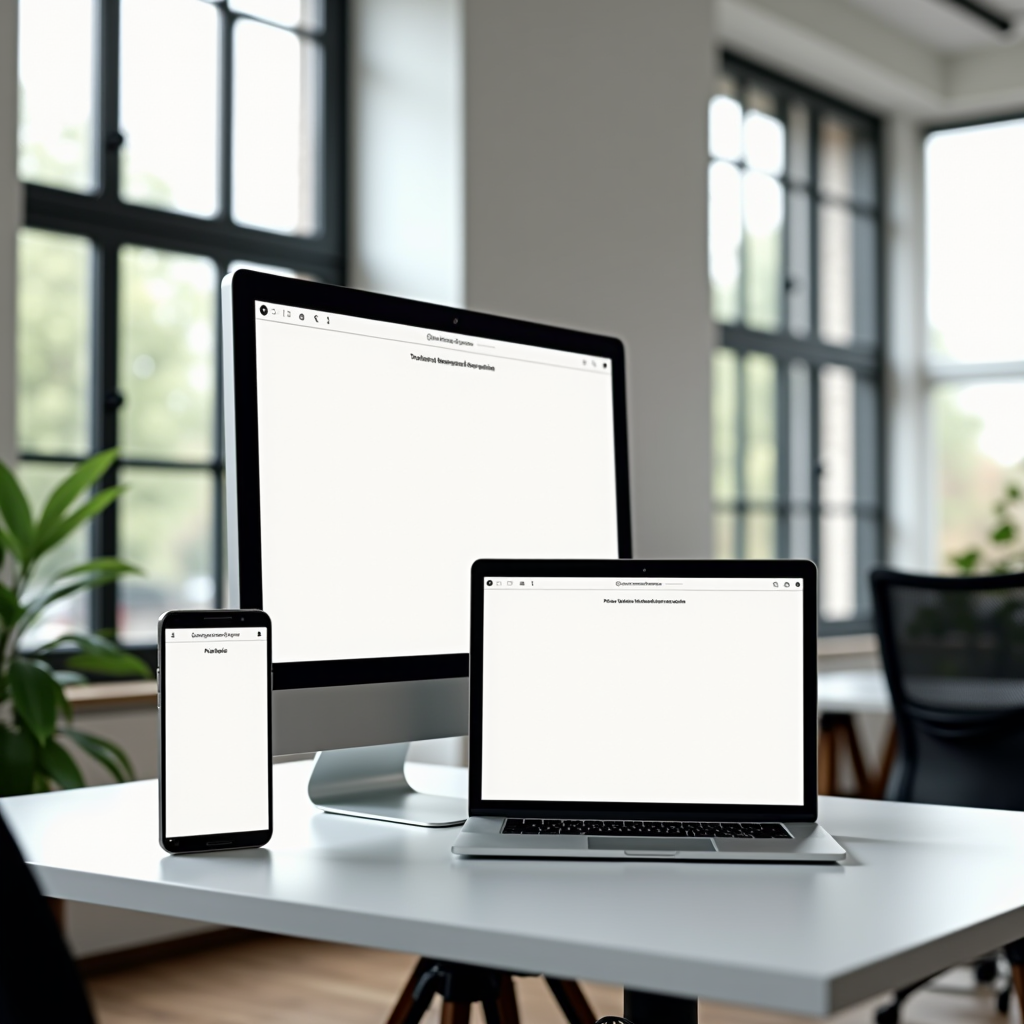
The Nordic Approach to Digital Simplicity
The movement toward minimalist web design in Estonia and the Baltic region represents more than just an aesthetic choice. It embodies a fundamental philosophy about how people interact with digital content in an increasingly overwhelming online environment. Estonian developers, known for their innovative approach to digital solutions, are now setting new standards for web interface design that prioritize user experience above all else.
This trend has emerged from a combination of factors unique to the region. Estonia's reputation as a digital pioneer, with its advanced e-governance systems and tech-savvy population, has created an environment where user feedback directly influences design decisions. The result is a growing preference for websites that eliminate unnecessary elements and focus on delivering content efficiently.
Leading Estonian web development agencies report that client requests for simpler, cleaner designs have increased by over 60% in the past year. This shift reflects a broader understanding that users are becoming increasingly frustrated with cluttered interfaces, intrusive advertisements, and complex navigation systems that hinder rather than help their online experience.
The minimalist approach championed by Baltic developers emphasizes several key principles: generous white space, clear typography, intuitive navigation, and purposeful use of color. These elements combine to create interfaces that feel both modern and timeless, allowing content to take center stage without competing with decorative elements or excessive visual noise.
User Behavior Driving Design Evolution
Recent studies conducted by Estonian universities and tech companies reveal compelling data about changing user preferences. Research shows that users spend 40% more time on websites with clean, minimalist designs compared to cluttered alternatives. Additionally, conversion rates for e-commerce sites that adopted simplified interfaces increased by an average of 25% within six months of redesign.
The data also indicates that users are actively seeking ways to reduce online clutter in their daily browsing habits. This has led to increased adoption of ad-blocking solutions and browser extensions designed to streamline the web experience. Estonian developers have responded by creating websites that inherently provide the clean experience users are seeking, eliminating the need for additional tools to block ads or remove distracting elements.
Key Finding:Users report 35% higher satisfaction rates when interacting with minimalist websites, citing reduced cognitive load and faster task completion as primary benefits.
Mobile usage patterns have particularly influenced this design evolution. With over 70% of web traffic in Estonia coming from mobile devices, developers have recognized that simplified interfaces are not just preferable but essential for effective mobile experiences. The constraints of smaller screens have actually accelerated the adoption of minimalist principles, as designers are forced to prioritize essential elements and eliminate anything that doesn't serve a clear purpose.
Technical Innovation Behind the Simplicity
While minimalist design may appear simple on the surface, achieving it requires sophisticated technical expertise. Estonian developers have pioneered several innovative approaches to creating clean interfaces without sacrificing functionality. These include advanced CSS techniques for creating visual hierarchy without relying on heavy graphics, progressive enhancement strategies that ensure fast loading times, and intelligent content prioritization algorithms that adapt to user behavior.
One particularly notable innovation is the development of lightweight frameworks specifically designed for minimalist web applications. These frameworks, created by Estonian tech companies, provide developers with tools to build fast, responsive websites that maintain clean aesthetics while offering robust functionality. The frameworks have gained international attention and are now being adopted by developers across Europe and beyond.
Performance optimization has become a central focus of this minimalist movement. Estonian developers have demonstrated that reducing visual clutter directly correlates with improved website performance. Sites built with minimalist principles typically load 50% faster than their cluttered counterparts, consume less bandwidth, and provide better accessibility for users with disabilities or slower internet connections.
Impact on Digital Marketing and Content Strategy
The shift toward minimalist design has profound implications for digital marketing strategies. Traditional approaches that relied on banner advertisements, pop-ups, and attention-grabbing visual elements are being reconsidered in light of user preferences for cleaner experiences. Estonian marketing agencies are developing new strategies that work within minimalist frameworks, focusing on native content integration and value-driven engagement rather than interruptive advertising.
Content creators are also adapting to this new paradigm. The emphasis on clean design has led to a renewed focus on quality writing and meaningful imagery. With fewer visual distractions competing for attention, the content itself must be compelling enough to engage users. This has resulted in higher standards for both written content and photography, as these elements now carry more weight in the overall user experience.
Social media integration has evolved as well. Rather than cluttering websites with multiple social sharing buttons and embedded feeds, developers are implementing more subtle integration methods that maintain the clean aesthetic while still facilitating social engagement. This approach respects user attention and reduces the visual noise that can detract from the primary content.
Regional Collaboration and Knowledge Sharing
The minimalist web design movement in Estonia has fostered increased collaboration among developers across the Baltic region and Scandinavia. Regular meetups, conferences, and online communities have emerged where developers share techniques, discuss challenges, and showcase successful implementations of minimalist design principles. This collaborative spirit has accelerated the adoption of best practices and helped establish regional standards for clean web design.
Educational institutions in Estonia have also embraced this trend, incorporating minimalist design principles into their web development curricula. Universities are partnering with tech companies to ensure students learn contemporary approaches to interface design that prioritize user experience and performance. This educational focus ensures that the next generation of developers will continue advancing minimalist design principles.
International interest in the Estonian approach has grown significantly. Web developers from other countries are studying the methods and philosophies that have made Baltic web design so successful. Several international conferences have featured Estonian developers as keynote speakers, sharing insights about creating effective minimalist interfaces and the cultural factors that have influenced this design evolution.
Future Directions and Emerging Trends
Looking ahead, Estonian developers are exploring new frontiers in minimalist web design. Artificial intelligence and machine learning are being integrated to create adaptive interfaces that automatically adjust their complexity based on user preferences and behavior patterns. These intelligent systems can provide simplified experiences for users who prefer minimal interfaces while offering more detailed options for those who need them.
Accessibility remains a key focus as the minimalist movement evolves. Developers are working to ensure that simplified designs don't inadvertently create barriers for users with disabilities. This includes careful attention to color contrast, keyboard navigation, screen reader compatibility, and other accessibility considerations that are sometimes overlooked in pursuit of visual simplicity.
The environmental impact of web design is also gaining attention. Minimalist websites typically consume less energy due to reduced data transfer and processing requirements. Estonian developers are increasingly considering the carbon footprint of their designs, recognizing that cleaner interfaces contribute to more sustainable digital practices. This environmental consciousness aligns with broader Nordic values around sustainability and responsible technology use.
As this movement continues to gain momentum, its influence extends beyond Estonia and the Baltic region. The principles being established by Estonian developers are shaping global conversations about web design, user experience, and the future of digital interfaces. What began as a regional trend is becoming a worldwide movement toward more thoughtful, user-centered web design that prioritizes clarity, efficiency, and respect for user attention.
Industry Perspective:Leading Estonian web agencies predict that within three years, minimalist design principles will become the standard expectation for professional websites across all industries, fundamentally changing how we think about online presence and digital communication.
The success of this minimalist approach demonstrates that sometimes less truly is more. By removing unnecessary elements and focusing on essential functionality, Estonian developers have created digital experiences that are not only more pleasant to use but also more effective at achieving their intended purposes. This philosophy represents a maturation of web design thinking, moving beyond the impulse to add features and visual elements toward a more disciplined approach that serves users' actual needs and preferences.